Our Beginnings
Jim Miller, a Lakota spiritual leader, founded the Dakota 38+2 Memorial Ride after a dream in 2005 inspired him to commemorate the 38 Dakota men hanged in Makatoh, Minnesota, following the U.S.-Dakota War of 1862. The annual horseback ride, which began in 2008 and concluded in 2022, served as a powerful symbol of hope, healing, and education about Dakota history while promoting forgiveness and unity. Makotah Reconciliation and Healing Horse Ride continues in the tradition of the Dakota 38+2 Ride that concluded in 2022.
A Spirit of Healing
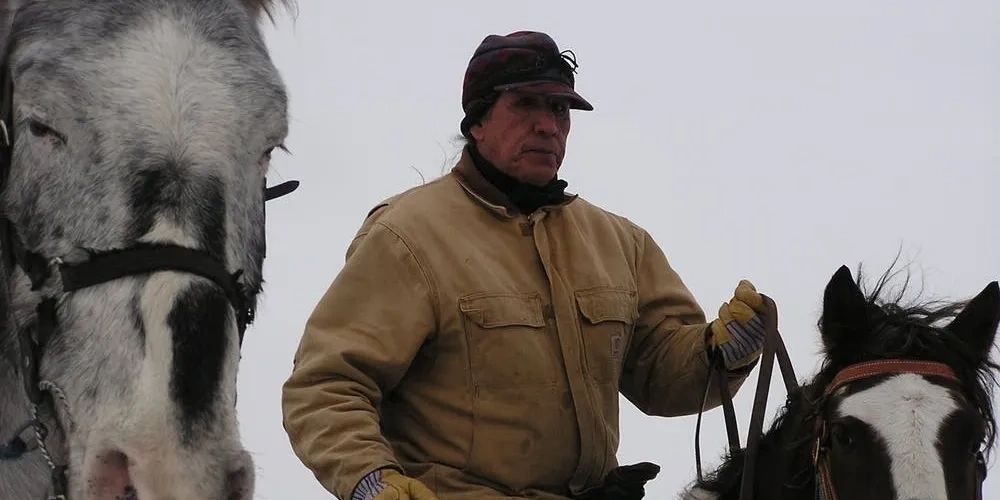
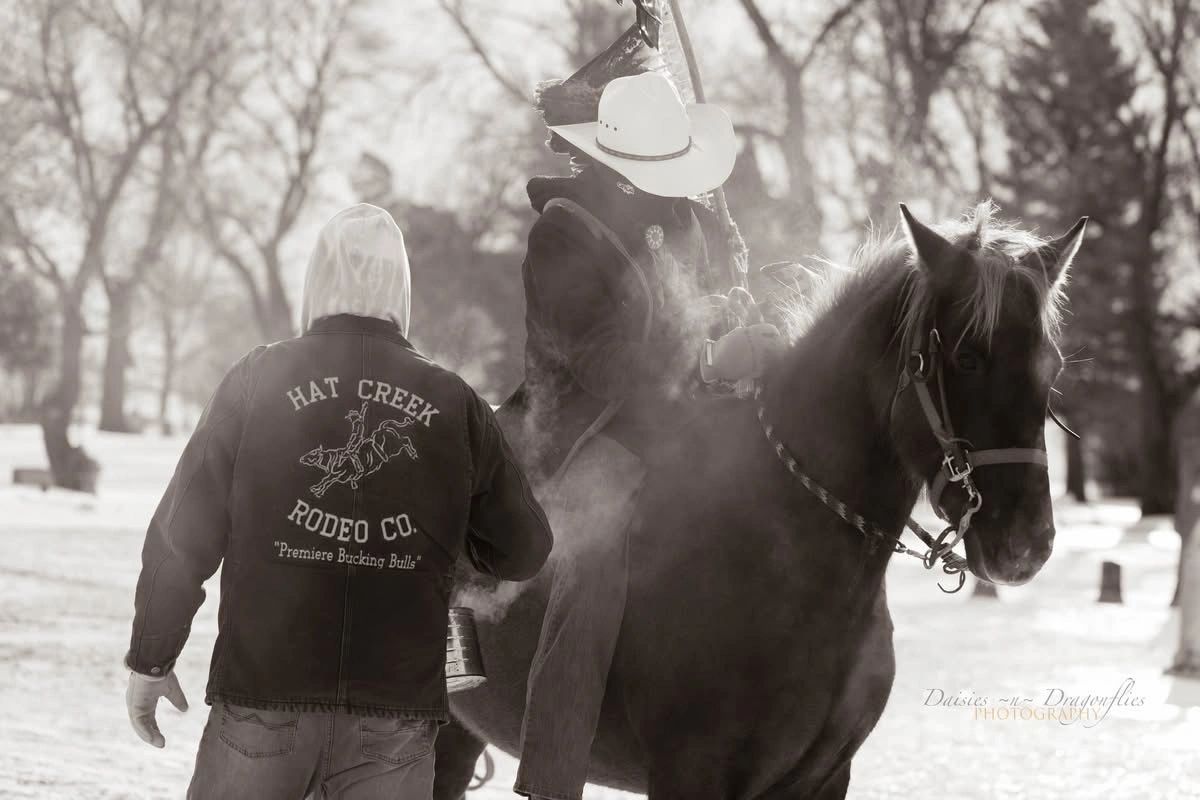
This ride is more than a physical journey—it is a spiritual and emotional journey toward healing. The riderless "spirit horse" accompanies the riders, representing the ancestors and honoring those who lost their lives.
The ride promotes:
Healing from historical trauma for Dakota communities
Remembrance of the 38+2 and all who suffered
Education about Dakota history and the U.S.-Dakota War of 1862
Reconciliation between Dakota and non-Dakota peoples
Unity through shared commitment to justice and understanding
About the Route
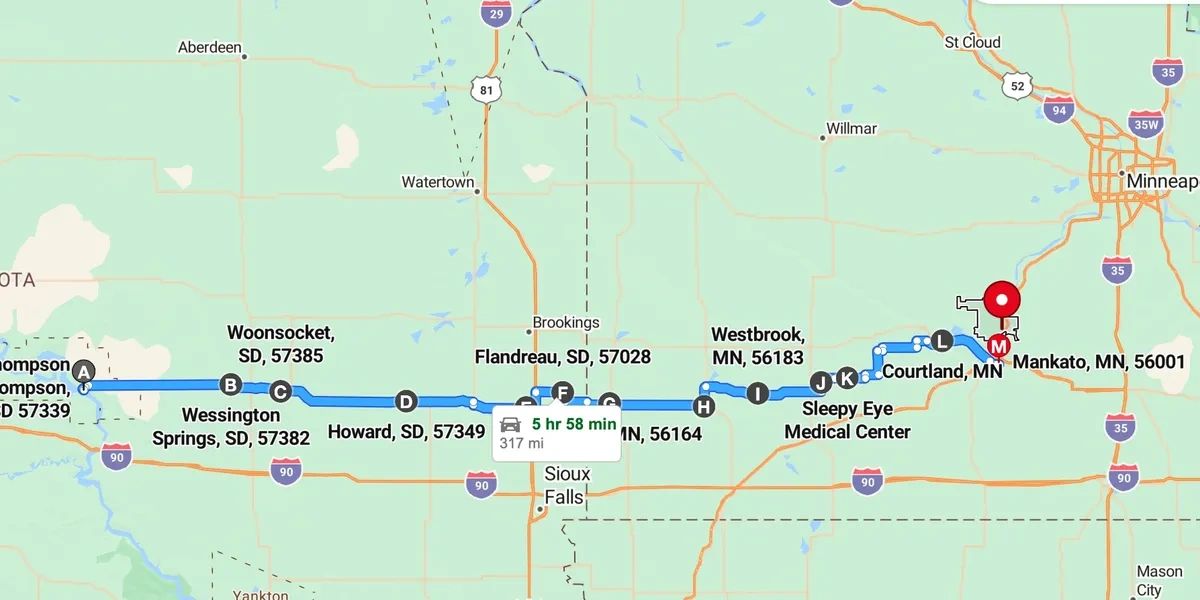
The 330-mile route from South Dakota to Minnesota follows paths that connect to the historical events of 1862. Riders traverse:
- The Great Plains - Open prairie lands that were Dakota homeland
- Small towns - Communities built on land once inhabited by Dakota people
- Sacred sites - Including the Jeffers Petroglyphs, ancient Dakota rock art
- The Minnesota River Valley - Site of the 1862 conflict and its aftermath
Historical Context
The U.S.-Dakota War of 1862 began when treaties restricted Dakota lands to an area that could no longer sustain them. Promised compensations were slow or nonexistent, and the Dakota people faced starvation. The conflict lasted six weeks and resulted in the deaths of hundreds.
Following the war:
-303 Dakota men were sentenced to death in rushed trials
-President Abraham Lincoln reviewed the cases and commuted many sentences
-38 men were hanged in Mankato on December 26, 1862
-Two additional men (Sakpedan and Wakan Ozanzan) were hanged at Fort Snelling in 1865
-Thousands of Dakota people were exiled from Minnesota
-The ride honors all who suffered and works toward healing these deep wounds.

Community Call To Action
Truth and Reconciliation Through Community Resolutions
History
In 2012, the Minneapolis City Council passed a groundbreaking resolution that honestly acknowledged the genocide, forced marches, and concentration camps endured by Dakota people—becoming the first governmental body to use such truthful language in an official document. This courageous act of truth-telling opened doors to healing that many thought would never open.
Read the full article about this historic resolution to understand the profound impact of honest language in official documents, and why Dakota elder Chris Mato Nunpa called it "the most significant accomplishment" of 2012.
Your Response
Your community can follow this path toward reconciliation. We call upon cities, counties, and organizations across Dakota homelands to draft and pass resolutions that:
- Honestly acknowledge the historical trauma inflicted upon Dakota people
- Commit to presenting Dakota perspectives in community discussions and education
- Pledge to promote the well-being and growth of Indigenous communities
- Begin ongoing dialogue to address historical wrongs
Call to Action
As noted in the article, "The unspeakable has now become speakable." Let your community join this movement of truth-telling and healing. Contact your local officials and community leaders to begin drafting a resolution that acknowledges our shared history and commits to a more just future.
Every resolution passed is another step on the journey toward genuine reconciliation—a journey we ride together.